

Many warehouse and facility managers make critical decisions based on what they see, hear, or assume. It’s easy to think you have a good pulse on the operation—after all, you’re on the floor, you hear the complaints, and you can spot delays. But even the most hands-on managers can overlook hidden inefficiencies, safety risks, or outdated workflows that don’t show up until the data is analyzed.
The truth is, making decisions based on assumptions is no longer enough. Real-time data reveals what you can’t see—and helps you act on it with confidence. Warehouse data analysis helps eliminate the guesswork.
What Is Goods-to-Person Technology?

Goods-to-Person (GTP) is exactly what it sounds like: instead of workers traveling to retrieve inventory, the inventory is brought directly to the worker. Products are stored in an automated system, whether that’s a robotic storage unit, an automated storage and retrieval system (AS/RS), or a fleet of mobile robots, and delivered to a stationary workstation where the picker processes the order.
The worker stays in one place. The goods come to them. This fundamental shift in how picking is structured is driving real improvements in speed, accuracy, and labor efficiency across warehouses of every size and vertical.
Why Traditional Person-to-Goods Picking Is Showing Its Age

In a traditional warehouse setup, the picker is the one doing the moving. They navigate aisles, locate items on shelves or racks, pull product, and transport it to the next stage of fulfillment. It works fine at lower volumes. But when order volume goes up, SKU counts expand, or your labor force tightens, that’s when the cracks start to show.
- Excessive travel time. When pickers walk the floor looking for product, that movement is pure overhead. It doesn’t add value. It just burns time and energy.
- Inconsistent accuracy. Manual picking in wide, busy aisles increases the likelihood of mis-picks, wrong quantities, and misrouted items. Every error downstream has a cost.
- Fatigue and injury risk. The physical demands of walking miles per shift while carrying product leads to fatigue, and fatigue leads to mistakes and injuries. Warehouse safety is a growing concern across the industry.
- Scalability limits. As your order volume scales, so does the pressure on your workforce. Adding more people to a flawed process just multiplies the inefficiency.
GTP systems are designed to eliminate these problems at the source, not just work around them.
The Technologies That Power Goods-to-Person
GTP isn’t a single product. It’s a concept enabled by several different technologies, each suited to different facility types, order profiles, and budgets. Here’s a breakdown of the main systems driving GTP today:
Automated Storage and Retrieval Systems (AS/RS)
AS/RS systems use automated cranes, lifts, or shuttles to store and retrieve inventory from high-density racking structures. They’re particularly effective for operations dealing with high SKU counts or facilities constrained by square footage, since they take full advantage of vertical space that would otherwise sit unused. When an order comes in, the AS/RS retrieves the exact item and delivers it to the worker’s station automatically.
Autonomous Mobile Robots (AMRs)
Autonomous Mobile Robots navigate dynamically through a facility using sensors and onboard mapping technology. Rather than following fixed paths, AMRs make real-time decisions about the most efficient route. In a GTP context, they transport goods, whether totes, shelves, or racks, directly to a picking station. They’re highly flexible and can adapt as your operation evolves.
Automated Guided Vehicles (AGVs)
Automated Guided Vehicles (AGVs) follow defined paths, typically using magnetic strips, wires, or sensors embedded in the floor. Where AMRs are flexible and dynamic, AGVs are reliable workhorses in structured environments where routes are consistent and predictable. They excel at transporting heavy loads or moving product between fixed zones within the facility.
Horizontal and Vertical Carousels
Horizontal and vertical carousels are mechanized storage units that rotate inventory to bring items directly to the worker. They’re a more compact and cost-effective GTP solution for operations with smaller footprints or specific product types. Vertical carousels in particular can dramatically increase storage density by using ceiling height rather than floor space.
AGVs vs. AMRs: Which One Is Right for Your Facility?
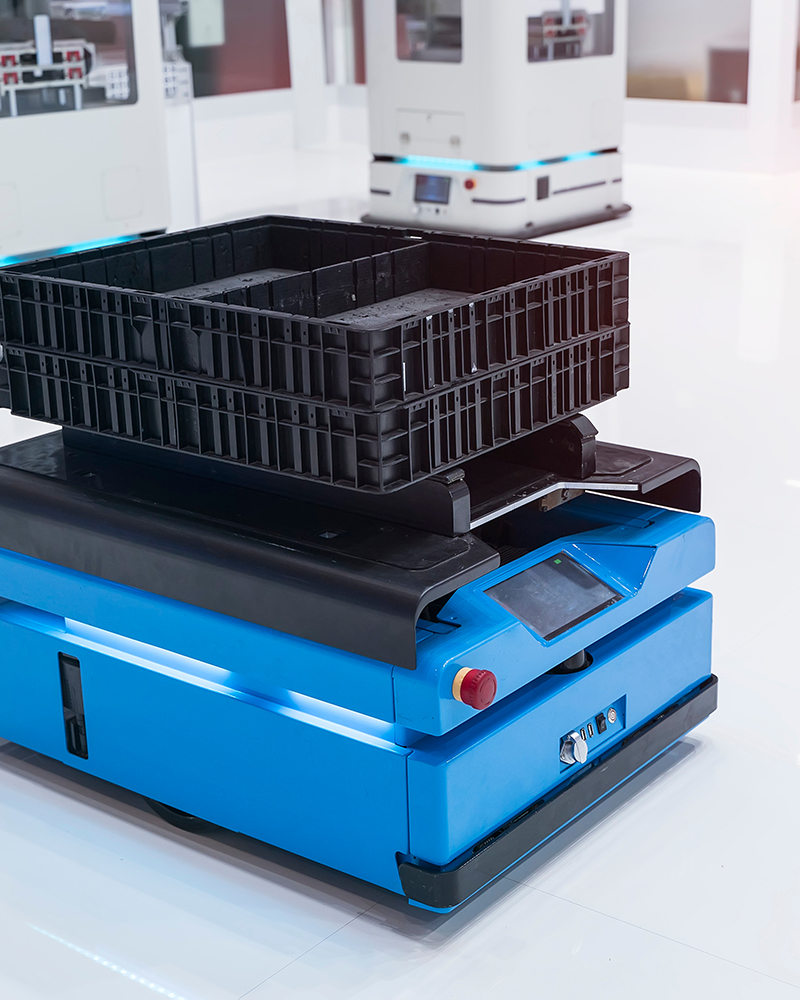
This is one of the most common questions we hear from operations teams evaluating GTP solutions. The honest answer is that it depends on your specific environment.
AGVs are the right choice when your workflows are structured and repeatable. They’re proven, reliable, and cost-effective for operations with defined routes and consistent product movement. The tradeoff is that they require upfront infrastructure investment, including floor modifications and fixed routing, which means changes to your layout later can be disruptive.
AMRs offer significantly more flexibility. Because they navigate autonomously, they can adapt to new floor layouts, reroute around obstacles in real time, and scale with your operation more easily. They typically carry a higher upfront cost, though that gap has narrowed considerably as AMR adoption has grown across the industry.
For large-scale operations with stable layouts, AGVs remain a powerful and proven choice. For facilities in growth mode or those managing frequent layout changes, AMRs provide the adaptability to keep pace. And for many facilities, the right answer isn’t one or the other. Many operations deploy a combination of both as part of a broader warehouse systems integration strategy.
Is Your Facility Ready for GTP?
GTP technology isn’t a one-size-fits-all solution. The right system depends on your order volume, SKU mix, facility dimensions, existing infrastructure, and long-term growth plans. That’s exactly why integration expertise matters.
At LD Systems, our team of warehouse consultants works with facilities to assess where GTP technology can deliver the greatest impact and which systems are the right fit for your specific operation. Whether that means AS/RS, AMRs, AGVs, or a fully integrated combination of solutions, our goal is always the same: a measurable improvement in throughput, accuracy, and efficiency.
With 500+ completed projects and 50 years of combined integration experience, we’ve helped operations ranging from pharmaceutical distribution to large-scale e-commerce fulfillment make the shift to smarter, faster, more efficient workflows.
What GTP Means for Your Operation
Implementing a Goods-to-Person strategy isn’t just about adding robots to your floor. Done correctly, it changes the fundamental economics of your operation:
- Faster order cycle times. When goods come to the worker, processing time per order drops significantly.
- Higher picking accuracy. Automated systems don’t misread labels or pull the wrong item. Accuracy rates in GTP environments routinely exceed 99.9%.
- Reduced labor dependency. GTP allows you to process more orders with the same or fewer headcount, a critical advantage in today’s tight labor market.
- Better use of space. High-density GTP storage systems, particularly AS/RS, allow facilities to store significantly more inventory per square foot by fully leveraging vertical space.
These improvements directly affect your bottom line and your ability to scale without proportional increases in cost.
Ready to Explore What GTP Can Do for Your Facility?
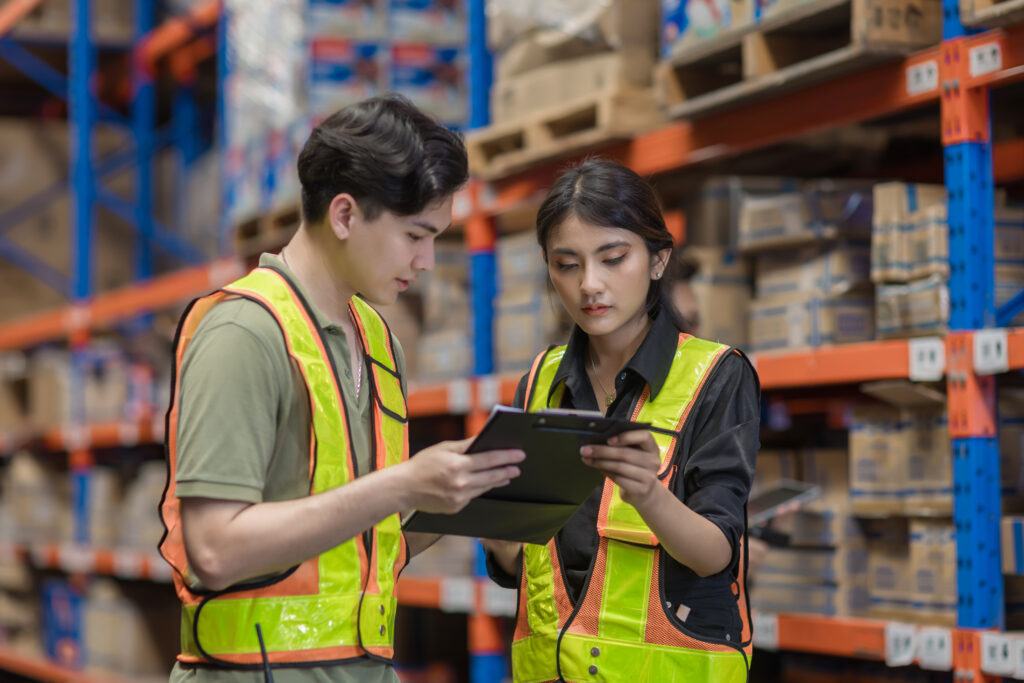
The shift to Goods-to-Person isn’t a future trend. It’s happening now, in facilities across every major vertical. If your operation is still relying on person-to-goods picking, you may already be leaving productivity and profitability on the table.
📩 Contact LD Systems today to schedule your free consultation and find out how Goods-to-Person technology can transform your warehouse operations.
